
An engagement ring spends far more time accompanying ordinary days than appearing in proposal photographs. When comparing vintage engagement rings, think about the hand that will wear one while holding a coffee cup, opening a bag, or settling down to work. A ring can have all the character you want and still need a careful check for everyday comfort.
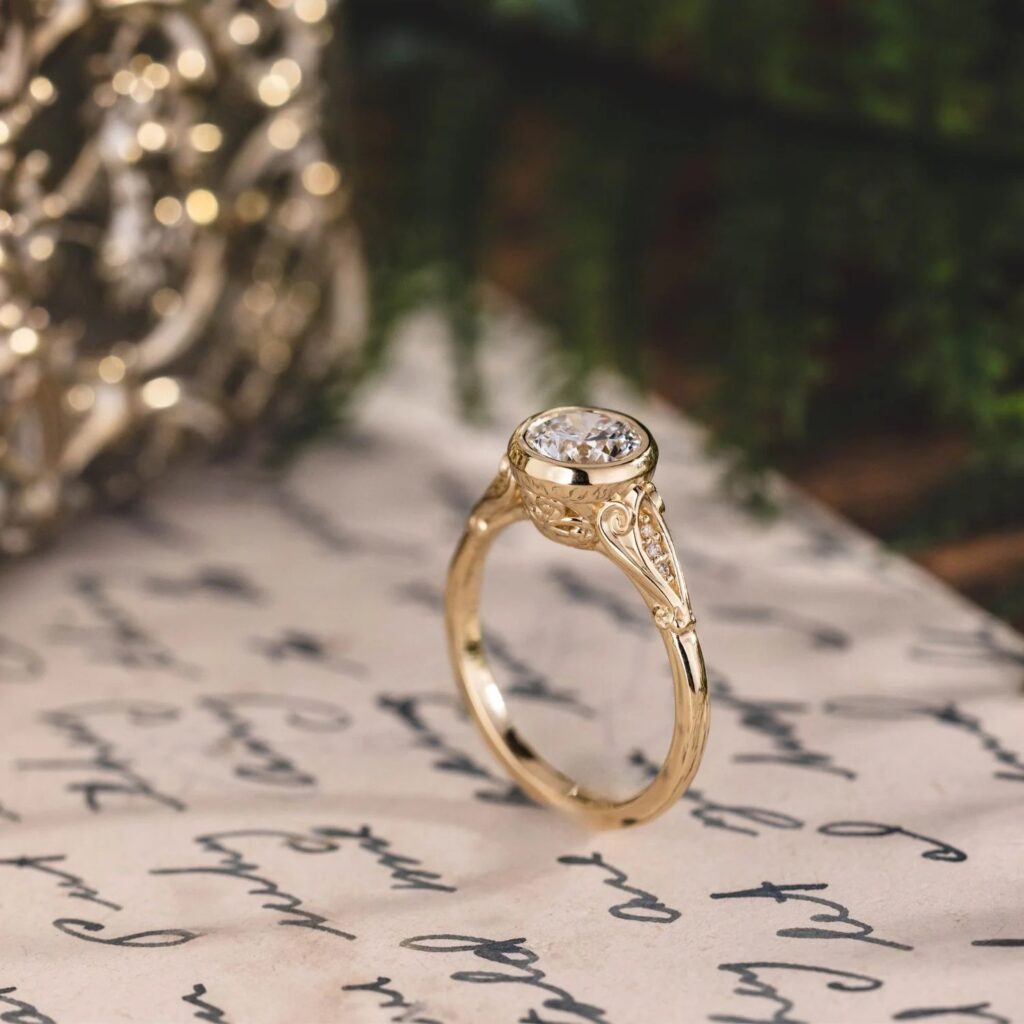
Begin with the wearer’s routine, then look for a design that suits it. This shifts the conversation from what looks impressive in a display to what feels welcome on a hand. It also gives you a better way to compare rings that look equally appealing online.
Start with a week, not a mood board
Make a brief inventory of the things your hands do most often. Include work habits, clothing, hobbies, and the jewelry you already remove during the day. The purpose is to identify questions for the jeweler, not to decide that one style automatically suits every activity.
Think about how much attention you want to give a ring while wearing it. Some people enjoy a prominent piece and are happy to plan around it. Others know from experience that they prefer jewelry that feels less noticeable.
Use existing rings as a starting point. Notice which ones you leave on comfortably and which ones you take off soon after getting home. If you do not wear rings, arrange time to try several shapes before settling on a visual favorite.
If the proposal will be a surprise, find a way to learn the recipient’s preferences without relying only on your own taste. A discussion about general shape, metal color, and daily habits can leave the specific choice a surprise. Comfort is personal enough that a little information is valuable.
Judge the whole silhouette
Product photographs naturally draw attention to the top of a ring. Ask for side views and measurements so you can also consider its height and width. View the ring on a hand when possible, while remembering that another person’s proportions may differ from yours.
During a try-on, let your hand rest naturally and then move it through ordinary, gentle motions. Notice the feel between neighboring fingers and the way the design sits when your hand relaxes. Do not force a ring past a joint or perform activities that could damage a piece you are evaluating.
Give the design a few minutes of attention from different distances. A close-up rewards small details, while a mirror shows the broader impression. Both views matter, but neither has to outweigh your own comfort.
Compare vintage engagement rings using the same basic observations for each candidate. A consistent process helps prevent one particularly flattering photograph from settling the decision. Write down what you noticed soon after trying a ring, before the details blur together.
Bring the wedding band into the conversation early
An engagement ring may eventually share a finger with a wedding band, so consider the pair before choosing either. Decide whether you want a close fit, an intentional gap, or the option to wear the rings separately. These are style preferences worth discussing ahead of time.
Try a few band profiles beside the engagement ring if you can. Ask a jeweler to assess how the rings sit together and whether their contact presents concerns for those particular pieces. A photograph alone cannot resolve every question about their interaction.
There is no requirement that both rings have the same amount of detail. A plain band may be what you prefer beside an elaborate design, or you may like a more decorative pairing. Judge the combination on your hand instead of treating matching as a rule.
Keep the combined cost in view as well. If the pairing would require work or a specially made band, ask for the likely scope and a quote before committing. A clear plan is easier to evaluate than a future expense left undefined.
Settle fit and ownership details before paying
An older ring should not be purchased on the assumption that any size change will be straightforward. Ask a qualified jeweler whether the specific ring can be resized to the required size. Get that answer before an alteration becomes part of the purchase.
Use a short final checklist to cover the practical gaps:
- Confirm the current size and the proposed final size.
- Ask about the ring’s present condition and any recommended work.
- Request an estimate and timing for agreed alterations.
- Read the return terms and ask how alterations affect them.
- Request care and storage guidance for this particular ring.
If you are shopping online, plan how you will assess the ring after delivery within the seller’s stated terms. Keep the packaging and paperwork together until you have made that decision. Avoid scheduling alterations before you understand their effect on your options.
For a proposal tied to a date, work backward from that date with the seller. Ask about the actual sequence of inspection, sizing, and delivery rather than assuming everything can happen at once. Leave room in your plans for a question that needs another conversation.
Choose for the ordinary days ahead
Once the practical questions are answered, return to the emotional part of the choice. Does the ring still feel like something the wearer would reach for willingly? A beautiful design earns its place through that personal response, not through somebody else’s checklist.
When comparing the antique and vintage collection at Gesner Estate Jewelry, use daily comfort, the intended band pairing, and confirmed fit as your final filters. Ask about the individual ring’s care needs and keep the answers accessible. The aim is a ring that feels considered on an ordinary Tuesday as well as on the day of the proposal.